Checking Account Buckets: The Envelope Method Without the Envelopes
Sub-accounts or 'buckets' inside one checking account do digitally what envelope budgeting did with cash — separate money by purpose before you're tempted to blur it.
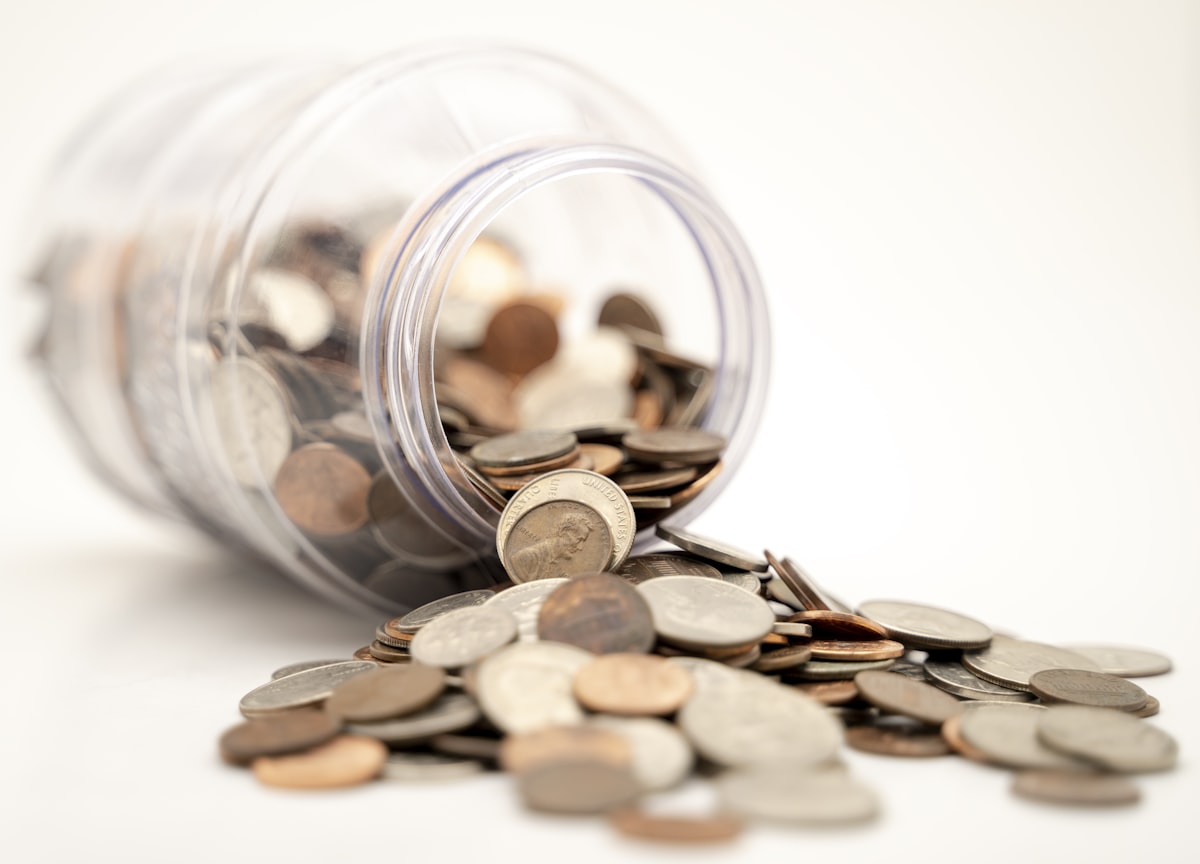
Envelope budgeting is one of the oldest tricks in personal finance: take cash, divide it into labeled envelopes for rent, groceries, gas, whatever your categories are, and once an envelope's empty, that category is done spending for the period. It works because it makes overspending physically obvious — there's no cash left in the envelope, full stop. A growing number of checking accounts now offer a digital version of the same idea, usually called sub-accounts or buckets, and it's worth understanding how it actually compares to the cash version, because the mechanics are similar but not identical.
What a Bucket Feature Actually Does
Instead of one single checking balance that has to mentally cover rent, groceries, the electric bill, and your weekend spending all at once, a bucket feature lets you carve your one checking account into multiple named sub-balances inside the same account — "Rent," "Groceries," "Car," "Fun Money," whatever categories make sense for your life. Money you designate for one bucket stays visually and functionally separated from the rest, even though it's all still sitting in the same underlying account and, depending on the bank, the same account number.
The specific mechanics vary by bank. Some let you actually restrict spending so a linked debit card declines a purchase that would overdraw a specific bucket, even if your total checking balance easily covers it. Others are purely visual — the buckets show you how your money is allocated, but your card still draws from the total balance regardless of which bucket you're "supposed" to be spending from. Knowing which version your bank offers matters, because a purely visual bucket only helps if you're disciplined enough to check it before spending; a spending-restricted bucket enforces the discipline for you.
Where It's Genuinely Better Than Envelopes
The obvious advantage over physical envelopes is that your money keeps working while it's sitting in a bucket — some banks pay a modest amount of interest even on checking sub-balances, something cash in an envelope obviously can't do. It's also dramatically more convenient for anything that isn't a cash transaction: paying rent, an online bill, a subscription — none of that works with an actual envelope of cash, but all of it works fine from a designated digital bucket. And buckets solve the "found cash" problem physical envelopes create, where a twenty pulled from the wrong envelope in a pinch quietly disappears from that category's math until someone remembers to put it back, which often just never happens.
Where Envelopes Still Have an Edge
The tactile friction of physical cash is a genuinely different psychological experience than moving numbers between digital buckets, and for some people that friction is the entire point. Handing over actual bills from a "Groceries" envelope makes the spending feel real in a way that a bucket balance dropping on a screen doesn't always replicate. If your bucket feature is the purely visual kind — no actual spending restriction — it's very easy to mentally note "I'm over on Groceries this week" and spend anyway, because nothing physically stopped you. A truly empty envelope stops you cold; a bucket that's technically at zero but backed by a checking account with plenty of total funds available does not, unless the bank specifically restricts it.
Setting Up Buckets That Actually Work
Start with fewer buckets than you think you need — three or four broad categories (bills, everyday spending, a savings goal, a buffer) work better as a starting point than a dozen narrow ones, because too many categories turns the system into its own chore and people abandon it. Fund each bucket at the start of your pay period based on what you actually expect to spend in that category, informed by a month or two of past spending rather than a guess. And if your bank's version restricts spending per bucket, actually use a separate card or a bucket-specific spending toggle if one's offered — the restriction is the entire value-add over a purely visual system, and it's wasted if you don't turn it on.
The Real Comparison
Buckets and envelopes are solving the same underlying problem — money that isn't earmarked gets spent on whatever's in front of you, and earmarking it in advance is what prevents that. Buckets do it with more convenience, some interest, and the ability to actually pay bills directly from a category. Envelopes do it with more physical friction, which for some people is a feature rather than a limitation. Neither is objectively better; the one that actually gets used consistently is the one that wins, and for a lot of people, a bucket feature already sitting inside an account they check daily gets used more consistently than a system of envelopes that requires a separate cash withdrawal to set up in the first place.
A Hybrid Worth Considering
Nothing says you have to pick one system exclusively. Plenty of people run digital buckets for anything that isn't cash — bills, subscriptions, savings goals — while still pulling a smaller, fixed cash amount for a single flexible category like dining out or discretionary weekend spending, specifically because that's the category where the physical friction of running out of cash in hand does the most good. The digital buckets handle the predictable, automatic stuff efficiently; the cash envelope handles the one category where willpower tends to be weakest and a hard physical stop is genuinely useful. Mixing the two isn't a compromise so much as using each system where it's actually strongest.
Don't miss the next playbook. One email a week, straight to $0.
Free. Cancel from any email, anytime. Includes clearly marked offers from our partners.
Keep going

Turn On Low-Balance Alerts — It's the Fastest Way to Catch Fraud Early
A same-day alert can be the difference between catching fraud in an hour and eating a week of unauthorized charges. Most people never turn it on.

The Mobile Deposit Mistakes That Turn a Quick Check Into a Week-Long Hold
A blurry photo or a missing endorsement line can quietly turn a same-day deposit into a week-long hold. Here's what actually trips the delay.
Joint, Separate, or Both: How Couples Actually Structure Checking
Fully joint, fully separate, or a yours/mine/ours hybrid — here's the honest tradeoffs of how couples structure checking, with no judgment about which one is 'right.'